Why the Indoor Plant Industry Needs You to Fail
——How Plant Care Became Fast Fashion—and Why Your Mistakes Keep the Market Moving
By Oliver Hayes | Updated on March 2026 | 🕓 10–12 minutes
Key Highlights
- How has the indoor plant industry shifted from scarcity to mass consumption?
- In what ways do social media and content creation influence plant ownership and failure?
- How can plant failures be reframed as learning opportunities rather than personal shortcomings?
- What practical strategies help reduce plant failure and promote mindful, sustainable care?
Plant Failures in Everyday Life
Have you ever brought home a lush, vibrant succulent or a tropical houseplant, only to find its leaves browning within a week, or worse, the entire plant wilting before you had a chance to properly enjoy it? You might find yourself scrolling through online marketplaces for a replacement, watching tutorial videos to “save your dying plant,” or reading forum threads on plant care.
This experience is surprisingly common. On social media, posts about failed plants or rescuing dying plants attract significant attention, forming a unique culture: plants are no longer simply objects of beauty or companionship—they have become items of instant consumption and short-term display.
At first glance, this may seem like a matter of personal inexperience or lack of attention. But in reality, the indoor plant industry has developed an ecosystem in which your failures are an essential part of the market dynamics. Understanding this phenomenon is key to navigating plant ownership without frustration or anxiety.
The “Fast Fashion” Phenomenon in Indoor Plants
Not long ago, houseplants were rare and considered valuable items: niche, expensive, and requiring patience and consistent care. Over the past decade, however, this dynamic has shifted dramatically:
1. From Scarcity to Mass Consumption
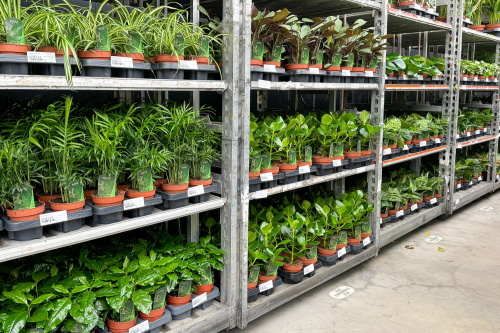
Plants once considered rare or exotic—such as fiddle leaf figs, pothos, and calatheas—are now widely available, both online and offline, at moderate prices. The barrier to entry for new plant owners has drastically lowered, allowing almost anyone to participate in this trend.
2. High Aesthetic Value, High Mortality, Moderate Price
In today’s market, plants are sold primarily for their aesthetic appeal. This “look-first, learn-later” approach creates a subtle but powerful loop: attractive plants drive sales, minor failures lead to replacements, and repeat purchases increase overall revenue for sellers. Some “trendy” varieties have become notorious for requiring precise care, making them particularly susceptible to early failure.
3. Social Media as an Accelerant
Platforms like Instagram, TikTok, and YouTube have turned houseplants into content. Live streams of plant care, unboxing videos, and “rescue my plant” tutorials generate engagement and create the impression that owning plants is a lifestyle statement. Plants’ short life cycles and susceptibility to failure fit perfectly into these content-driven ecosystems, amplifying both visibility and consumer turnover.
This transformation has effectively turned indoor plants into a form of fast fashion for the home: pots are replaced more frequently than clothes, failures are normalized, and the industry quietly benefits from this cycle.
The Industry Logic: How Your Failures Drive the Market
Why can we claim that the indoor plant industry “needs you to fail”? The answer lies in clear economic and social mechanisms:
1. Failures Drive Repeat Purchases
When a plant dies, fails to thrive, or suffers from neglect, consumers often buy replacements or complementary products such as pots, soil, fertilizers, or grow lights. Each failure is therefore a direct opportunity for repeat sales.
2. Content Ecosystems Thrive on Mistakes
Tutorials, short videos, and live streams rely on stories of plant failure to generate content. The more mistakes people experience, the richer the material for creators, and the higher the engagement metrics. In other words, user mistakes fuel the visibility and profitability of plant-related media.
3. Experience-Based Consumption Becomes Standard
Unlike most consumer goods, houseplants involve ongoing, experiential consumption: planting, nurturing, failing, learning, and sometimes rescuing. This cycle becomes the economic model itself. Businesses are not just selling plants—they are selling ongoing experiences, emotional narratives, and the illusion of mastery.
Understanding these patterns allows consumers to approach indoor gardening rationally, rather than blaming themselves for the inevitable failures engineered into the system.
The Psychology Behind Plant Ownership and Failure
Beyond industry economics, there is a psychological layer to consider. Plant ownership often comes with expectations of beauty, success, and instant satisfaction. Many people:
Overestimate their skill based on aesthetic appeal and social media examples.
Underestimate environmental challenges like light, humidity, and seasonal changes.
Seek instant gratification, mistaking a plant’s initial health as an indicator of long-term success.
These expectations, combined with industry cues, create a pressure to succeed immediately. When failure occurs, it triggers either guilt or compulsive replacement—both of which reinforce the fast-fashion cycle. Recognizing this pattern can reduce self-blame and help plant owners develop a more mindful, sustainable approach.
Reflection and Guidance: How to Participate Rationally
Even if failure is built into the industry, this doesn’t mean plant owners must be passive participants. Here are strategies for rational, deliberate engagement:
1. Choose Plants That Match Your Environment
Avoid blindly following trends. Consider factors like light levels, temperature stability, humidity, and your own daily routines. Opt for species suited to your conditions to reduce unnecessary failures.
2. Develop a Sustainable Care Routine
Treat plant care as a long-term practice rather than instant gratification. Establish consistent watering schedules, periodic pruning, and occasional fertilization. Gradually adapting plants to your environment improves survival rates.
3. View Failures as Learning Opportunities
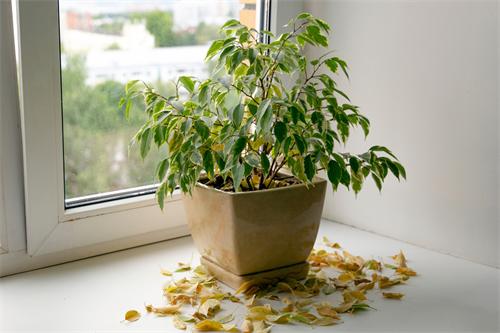
Each yellowing leaf, leggy stem, or brown tip is a lesson in plant physiology. Observing patterns and adjusting care gradually builds expertise. Failure becomes feedback, not evidence of incompetence.
4. Understand Social Media’s Filtered Reality
Many online posts present a curated, often idealized vision of plant ownership. Comparing yourself to these examples can create unrealistic expectations. Develop your own pace and standards.
5. Track Progress Over Time
Keep a simple care journal or photo log. Monitoring changes in plant health over weeks and months provides tangible insights and encourages long-term engagement.
By following these practices, plant owners can enjoy the benefits of indoor greenery without being trapped in the cycle of compulsive replacement and guilt.
Balancing Market Forces and Personal Experience
Ultimately, the value of indoor plants lies not in quantity, aesthetics, or perfection, but in experience, learning, and connection with nature. Understanding the market logic allows us to balance commercial pressures with personal engagement:
Market Awareness: Recognize that failures and replacements are part of the business model. Avoid blindly chasing trends or marketing hype.
Personal Development: Focus on long-term care, observation skills, and sustainable routines. Plant care can become a lifestyle skill and a source of mental well-being.
Content Consumption: Be intentional about social media. Recognize that curated, polished content is designed to generate engagement, not represent typical plant ownership.
Plants can embody slow, mindful living, while fast-fashion business models are external noise. Rational understanding and careful planning allow plant enthusiasts to reclaim the slow-living experience from cycles of passive consumption.
Conclusion
The indoor plant industry is increasingly turning into a form of fast fashion, where your failures are integral to its profit and content cycles. Yet, failure is not your fault—it is a natural and valuable part of learning. By understanding market mechanisms, choosing plants wisely, and establishing sustainable care routines, you can reduce failure rates and fully enjoy the pleasures of indoor greenery.
In the end, the goal is not to eliminate failure entirely, but to experience plants as companions rather than disposable commodities. This approach represents the most mature, mindful, and rewarding way to engage with indoor plants in today’s fast-paced consumer environment.
FAQs
1. Are some plants intentionally difficult to keep alive for profit reasons?
Not exactly “intentionally,” but the market favors visually striking plants, even if they require precise care. Trendy species like fiddle leaf figs or calatheas are naturally sensitive, and the industry benefits from the fact that failures often lead to repeat purchases. Your difficulty isn’t a personal flaw—it’s partly a side effect of how these plants evolved and how they are marketed.
2. Can tracking plant care actually improve survival rates?
Yes. Simple tracking methods, like a care journal or photo log, help you notice patterns in watering, light exposure, and growth. Over time, this feedback allows you to fine-tune care routines and catch problems early before they become fatal.
3. Is social media-driven plant culture harmful for beginners?
It can be. Platforms often showcase perfectly styled plants and quick success stories, creating unrealistic expectations. Beginners may feel pressure to achieve the same results instantly, which can lead to overwatering, impatience, or unnecessary replacements. The key is to use social media as inspiration, not a strict benchmark.
4. How can I enjoy indoor plants without falling into the “fast-fashion” replacement cycle?
Focus on sustainable care and mindful selection: choose plants suited to your environment, develop steady care routines, and view failures as learning opportunities rather than reasons to buy more. Treat plants as companions, not disposable items, and let the joy come from observation and growth rather than just aesthetics.
References
1. Global Growth Insights. (2025). Indoor plants market report 2025–2035: Industry trends and forecast.
2. Market Growth Reports. (2025). Indoor plant market analysis: Growth, trends, and forecast.
3. Keshtezar, P. (2024). The rise of plant influencers and online houseplant communities.
4. Thomas, L., & Green, R. (2023). Biophilic urban design: Incorporating plants into indoor spaces. Journal of Environmental Psychology, 87, 101-115. https://doi.org/10.1016/j.jenvp.2023.101115
5. Singh, A., & Li, H. (2022). Psychology of plant ownership: Expectations, failure, and learning in urban dwellers. Urban Horticulture Review, 14(2), 45–62.
About the Author
Oliver Hayes, MSc – Urban Gardening Systems Researcher & Sustainable Home Writer
Oliver Hayes is a researcher and content writer specializing in urban gardening ecology, balcony food systems, and sustainable home environments. He holds a Master’s degree in Environmental Horticulture from the University of Copenhagen and has collaborated with community garden networks, indoor farming startups, and ecological design organizations across Europe. His work focuses on helping everyday households better understand the hidden environmental factors affecting plant health, indoor biodiversity, and long-term sustainable living practices.
Editorial Transparency Statement
This article is based on publicly available industry reports, research studies, and the author’s professional expertise in urban ecology. All sources are cited for transparency, and no sponsored content or commercial bias influenced the discussion.
Disclaimer
The content provided is for informational and educational purposes only. It is not a substitute for professional horticultural advice. Readers should consider local environmental conditions and individual plant needs when applying the guidance discussed. The author and publisher are not liable for any plant loss, damage, or other outcomes resulting from the use of this content.
Recommend for you:
Modern Homes Aren’t Designed for Plants
How Sealed Windows, Open Kitchens, and Central Air Conditioning Subtly Transform Indoor Ecosystems
Why Balcony Gardening Fails So Often in the First Year — A Systems Explanation
Most balcony gardening projects fail long before the first seed is planted.
Biophilic Interior Design: Trending Beyond Plants to Walls, Water, and Sound
The core of biophilic design is not about dragging the outdoors inside. It is about rebuilding the sensory relationship between humans and their environment.
Microbial Ecology in Potting Soil Explains What Care Routines Cannot
Why Identical Balcony Plants Grow Differently Under the Same Water and Light