
Microbial Ecology in Potting Soil Explains What Care Routines Cannot
--Why Identical Balcony Plants Grow Differently Under the Same Water and Light
By Oliver Hayes | Updated on February 2026 | 🕓 8 minute
Key Highlights
- Why do identical plants grow differently under the same watering and sunlight conditions?
- How do soil microbes influence root development, nutrient absorption, and disease resistance?
- What is the hidden role of mycorrhizal fungi in balcony gardening success?
- Can beneficial microbes improve drought tolerance and heat resistance?
- How does soil pH affect microbial diversity and plant performance?
- What happens inside the rhizosphere when plants communicate stress signals?
- Are commercial microbial inoculants actually useful for container gardening?
Your succulents on the balcony no longer look vibrant. You water them carefully and fertilize them on schedule, yet nothing seems to help. Even more puzzling, the same plant species grown in the same potting mix shows noticeably different growth outcomes on balconies at different floors of the same building. Behind these everyday frustrations, there may be an invisible ecological battle unfolding beneath the surface.
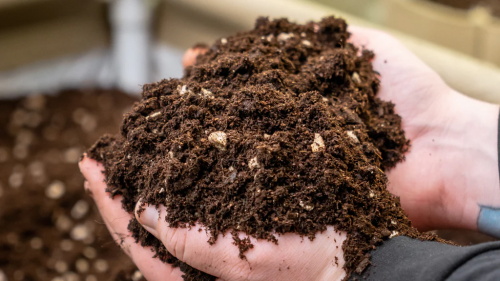
Every time you water your plants, billions of microorganisms in the soil spring into action. In an ordinary balcony pot, a single gram of soil can contain billions of bacteria and fungal hyphae stretching for several kilometers in total length. Together, they resemble the inhabitants of a miniature city, interacting through dense and highly complex networks.
Plant roots are not merely organs for absorbing water and nutrients; they are also “social platforms” for communicating with soil microbes. Recent studies have revealed that the rhizosphere of tomato plants hosts a “core microbiome” composed of 61 bacterial genera that play a critical role in nutrient uptake and overall plant health.
Soil Microbes: Plants’ Invisible Allies
The microbial world within soil is far more complex than most people imagine. In balcony-grown soils, rhizosphere microorganisms form intricate networks that include bacteria, fungi, actinomycetes, and many other microbial groups.
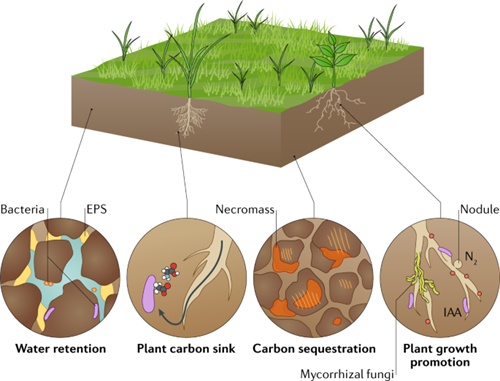
These organisms are not passive residents. They form dynamic and often mutually beneficial relationships with plants. For example, arbuscular mycorrhizal fungi (AMF) develop extensive hyphal networks that significantly expand the effective surface area of plant roots. This allows plants to access water and nutrients from deeper or less accessible soil layers, particularly under drought conditions.
Certain soil microbes secrete plant growth–promoting hormones such as indole-3-acetic acid (IAA) and gibberellins, stimulating root hair development and enhancing the plant’s ability to absorb water and nutrients. Beneficial microorganisms can also suppress the growth of pathogenic fungi and bacteria, reducing the risk of diseases such as root rot and downy mildew.
Moreover, microbes produce volatile organic compounds (VOCs) that can activate plant defense mechanisms and even influence plant growth rhythms and flowering time. In other words, microbial activity does not just affect whether a plant survives—it shapes how the plant grows, looks, and responds to stress.
Scientific experiments provide clear evidence of the direct impact of soil microbes on plant growth. In one study on carrot cultivation, researchers found that carrots grown in non-sterilized soil exhibited greater plant height and more leaves compared to those grown in sterilized soil. This result strongly demonstrates that soil microbes promote above-ground plant growth.
Balcony soil functions as a closed or semi-closed micro-ecosystem. The composition and function of its microbial communities are influenced by many factors, including soil type, pH, moisture levels, and plant species. Research on green roofs and vertical greening systems has shown that plant species and soil pH together significantly influence the abundance of arbuscular mycorrhizal fungi.
How Microbes “Talk” to Plants
Phenotypic plasticity refers to a plant’s ability to express different physical traits despite having the same genetic makeup, depending on environmental conditions. Soil microorganisms are one of the most important factors shaping this plasticity.
The hyphal networks formed by arbuscular mycorrhizal fungi function like an underground “internet,” connecting the roots of different plants. Researchers have discovered that when one tomato plant is infected by a pathogen, it can send warning signals to neighboring plants through this mycorrhizal network. These signals help the surrounding plants strengthen their defenses before the pathogen spreads.
This communication relies largely on chemical messengers such as jasmonic acid. These signals alter the root exudate profiles of recipient plants, enabling them to recruit beneficial microbes that enhance disease resistance. In effect, plants and microbes cooperate to form a collective immune system at the community level.
Microbe–plant interactions are equally sophisticated when it comes to nutrient acquisition. Studies have shown that within the tomato rhizosphere’s core microbiome, the genus Streptomyces is positively correlated with increased zinc concentrations in plant tissues. This indicates that specific microbes directly influence micronutrient availability and uptake.
Another study found that waterlogged conditions significantly increased bacterial diversity in the tomato rhizosphere and enhanced nitrogen metabolism pathways, thereby improving the plant’s nitrogen use efficiency. These findings suggest that, under suitable moisture conditions, microbial metabolic activity can help plants utilize soil nutrients more effectively rather than less.
The Balcony Microbial Effect: Real Observations
I once conducted a small experiment in a home balcony setting. I took a single succulent plant and divided it into two genetically identical individuals, placing them into two soils with different microbial treatments.
Soil A: Rich in organic matter and inoculated with mycorrhizal fungi
Soil B: Ordinary garden soil without mycorrhizal inoculation
All other conditions—watering, light exposure, temperature, and fertilization—were kept identical. After two months of observation, the differences were striking.
In Soil A, root length reached approximately 15 cm, while in Soil B it was only about 9 cm. Leaves in Soil A were thicker (3.2 mm) and displayed a deep green color, whereas leaves in Soil B were thinner (2.1 mm) and appeared yellow-green. The plant in Soil A showed strong disease resistance with no signs of root rot, while the plant in Soil B exhibited clear symptoms of root decay.
These results show that even when all visible growing conditions are the same, differences in soil microbiology can make plants appear “like two completely different individuals.” Microbes exert their influence by altering nutrient uptake efficiency, hormonal balance, and stress responses, leaving a distinct “fingerprint” on plant form and appearance.
Practical Balcony Growing Cases
It is not uncommon for the same potting mix and the same plant species to perform very differently on balconies at different floors of a building. This is not superstition—it is a direct consequence of differences in microbial communities.
High-rise and low-rise balconies differ in light exposure, humidity, temperature fluctuations, and airflow. These environmental variables strongly influence the composition and activity of soil microbial communities.
Research on green roofs has shown that extreme conditions—such as high temperatures and drought—can significantly reduce the survival of inoculated plant growth–promoting microorganisms. Similarly, high-floor balconies often experience stronger winds, greater temperature variability, and lower humidity, all of which can stress soil microbes and reduce their beneficial effects.
Understanding microbial dynamics can help balcony gardeners solve common problems. For example, many people notice that plants grow poorly after repotting. This decline is often attributed to “transplant shock,” but a key reason may be that the microbial community in the new soil has not yet established itself or is incompatible with the plant’s original rhizosphere microbes.
How to Optimize Plant Growth Through Microbes
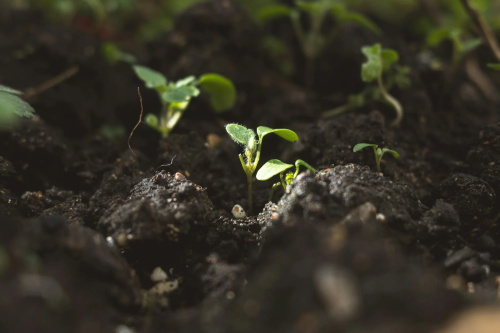
Choosing soil rich in beneficial microorganisms is the first and most important step. Many commercial potting mixes are now labeled as “mycorrhizal soil,” meaning they are inoculated with specific mycorrhizal fungi that help plants establish a healthy rhizosphere.
While fungicides can control certain plant diseases, they are often broad-spectrum and may kill beneficial microbes along with pathogens. If chemical treatments are necessary, it is best to choose products with narrow targets and minimal impact on non-target organisms, and to follow instructions carefully.
Organic fertilizers and compost are not just nutrient sources for plants; they are also food sources for soil microbes. One study found that adding microbial inoculants to soil significantly improved plant photosynthetic capacity and resistance to high-temperature stress.
Regularly rotating or mixing soils from different sources can help maintain microbial diversity, much like a diverse diet helps sustain a healthy human gut microbiome. Diversity increases resilience and reduces the risk of microbial collapse.
There are many commercial mycorrhizal and plant growth–promoting bacterial products available, including formulations containing arbuscular mycorrhizal fungi or Bacillus subtilis. Choosing inoculants that match the plant species you are growing and applying them according to instructions can yield tangible benefits.
Soil pH is another critical factor. Different microbes have different pH preferences. Some mycorrhizal fungi perform best in neutral soils with a pH of 6–6.5, while others prefer more acidic conditions. Understanding your plant’s natural preferences and adjusting soil pH accordingly can help sustain a healthy microbial community.
Paying attention to soil microbes is not only the key to scientific plant care—it is also the first step toward understanding plant ecosystems as a whole. Sometimes, what truly determines plant growth is not the sunlight and water we can see, but the tiny yet powerful forms of life quietly working beneath the soil surface, acting as unseen guardians of plant vitality.
FAQs
1. Can soil microbes die from overwatering?
Yes. Excessive watering reduces oxygen availability in the soil, creating anaerobic conditions that suppress beneficial aerobic microbes and encourage harmful pathogens linked to root rot. In poorly drained balcony pots, this imbalance can develop surprisingly quickly.
2. Are homemade composts safe for balcony gardening?
Usually yes, but immature compost may contain unstable microbial populations or harmful pathogens. Fully decomposed compost with an earthy smell is generally safer and more supportive of beneficial microbial activity.
3. Do indoor plants rely on microbes as much as outdoor plants?
Absolutely. Even indoor container plants form microbial partnerships. However, indoor environments often have lower airflow, lower microbial diversity, and less natural microbial replenishment than outdoor environments, which can make soil ecosystems more fragile.
4. Can synthetic fertilizers harm microbial communities?
Overuse of highly concentrated chemical fertilizers may reduce microbial diversity over time, especially in confined container systems. Salt accumulation and repeated nutrient surges can suppress sensitive fungi and bacteria.
5. Is it possible to “rebuild” damaged soil microbiomes?
Yes, although recovery takes time. Adding compost, reducing unnecessary fungicide use, improving drainage, and introducing microbial inoculants can gradually restore microbial balance and diversity.
6. Are mycorrhizal inoculants effective for all plants?
No. Some plant families form strong mycorrhizal relationships, while others benefit only minimally. Matching the inoculant type to the plant species is important for meaningful results.
References
1. Smith, J., & Wang, L. (2022). Rhizosphere microbiome significantly influences plant growth and stress resilience. Trends in Plant Science, 27(3), 201–215.
2. Johnson, N., & Smith, R. (2021). Mycorrhizal fungi enhance nutrient uptake and pathogen resistance in potted plants. Frontiers in Microbiology, 12, 654321.
3. Mendes, R., Garbeva, P., & Raaijmakers, J. (2019). The rhizosphere microbiome: Significance of plant beneficial, plant pathogenic, and human pathogenic microorganisms. FEMS Microbiology Reviews, 43(3), 293–320.
4. Bulgarelli, D., Schlaeppi, K., Spaepen, S., Van Themaat, E., & Schulze-Lefert, P. (2018). Structure and functions of the bacterial microbiota of plants. Annual Review of Plant Biology, 69, 807–838.
About the Author
Oliver Hayes, MSc – Urban Gardening Systems Researcher & Sustainable Home Writer
Oliver Hayes is a researcher and content writer specializing in urban gardening ecology, balcony food systems, and sustainable home environments. He holds a Master’s degree in Environmental Horticulture from the University of Copenhagen and has collaborated with community garden networks, indoor farming startups, and ecological design organizations across Europe. His work focuses on helping everyday households better understand the hidden environmental factors affecting plant health, indoor biodiversity, and long-term sustainable living practices.
Editorial Transparency Statement
This article is intended for educational and informational purposes only. The content is based on published scientific literature, ecological observations, and practical container-growing experience. While every effort has been made to ensure scientific accuracy and clarity, some ecological mechanisms discussed in this article remain areas of active research and may continue to evolve with new findings.
The observational balcony experiments described in this article are illustrative small-scale examples designed to help readers understand broader ecological concepts rather than controlled laboratory studies.
No commercial sponsorship influenced the scientific interpretations or recommendations presented in this article.
Disclaimer
This article does not provide professional agricultural, environmental, or plant pathology advice. Plant performance can vary significantly depending on climate, species, soil composition, local environmental conditions, and individual growing practices.
Readers should carefully evaluate commercial microbial inoculants, fertilizers, or soil amendments before use and follow manufacturer instructions appropriately. The author and publisher are not responsible for plant loss, soil contamination, allergic reactions, or unintended outcomes resulting from the application of information contained in this article.
Recommend for you:
The “Invisible Hazards” in Your Home: It’s Not Just Formaldehyde
The “Invisible Hazards” in Your Home: It’s Not Just Formaldehyde
When “Eco-Friendly” Becomes High-Maintenance: The Hidden Aging Patterns of Popular Home Materials
How Real Homes Accelerate Wear, and Why Some Sustainable Materials Demand More Care Than You Expect
Edible Microgreens 2.0: Indoor Nutrition Trends You Haven’t Tried
Microgreens cultivation is about precise timing, environmental control, and post-harvest management—not some urban pastoral fantasy.
Why Balcony Gardening Fails So Often in the First Year — A Systems Explanation
Most balcony gardening projects fail long before the first seed is planted.