Modern Homes Aren’t Designed for Plants
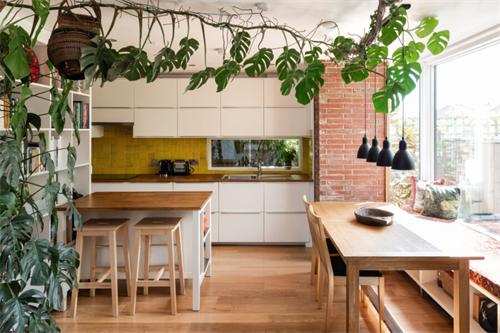
——How Sealed Windows, Open Kitchens, and Central Air Conditioning Subtly Transform Indoor Ecosystems
By Clara Whitfield | Updated on January 2026 | 🕓 8–9 minutes
Key Highlights
- Why do indoor plants struggle even when care routines are correct?
- In what ways does HVAC airflow reshape plant water loss and stress patterns?
- Why might overly clean, minimalist homes reduce plant resilience?
- Are Instagram plant setups misleading for real residential environments?
It’s Not You, It’s the Home System
Many plant owners blame themselves when their indoor plants struggle—“I didn’t water enough,” “the light isn’t sufficient,” or “I must have used the wrong soil.” But a deeper perspective reveals that modern homes are fundamentally designed for human comfort, not for maintaining an ecological balance that supports plant life.
Older homes often featured drafty windows, single-pane glass, porous floors, and naturally fluctuating indoor air. These features unintentionally created a stable micro-ecosystem for plants: humidity varied, air moved naturally, and beneficial microorganisms were abundant. In contrast, modern homes aim for sealed environments, constant temperatures, dryness, and surfaces that are easy to clean. While these designs optimize human comfort, they often create long-term stress for plants.
In other words, a plant’s “failure” is frequently the inevitable outcome of a structural mismatch between its ecological needs and the artificial systems of a modern residence, rather than the result of poor care.
| With this in mind, we can examine the four key factors shaping indoor plant stress: light, air, humidity, and microecology.
1. Light Misconceptions: Modern Windows Change More Than Brightness
Many assume that if a room receives ample sunlight, plants will thrive. However, the reality is more nuanced. Double-glazed or Low-E windows provide light while insulating and conserving energy, but they also filter out critical wavelengths, especially ultraviolet and red light, which are essential for plant growth and development.
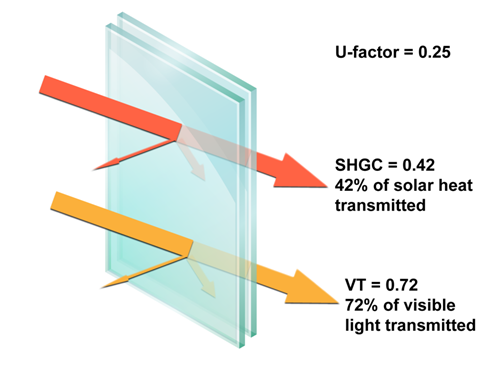
In modern minimalist apartments with deep windowsills, plants may appear to have sufficient light, yet they often exhibit elongated stems, thin leaves, and signs of “stress-induced growth.” The filtered light subtly alters internal physiology—chlorophyll content, photosynthetic efficiency, and growth patterns all shift without immediately visible signs.
| Bright light does not equal ecologically appropriate light. Leaves may remain green, yet internal structures may be fundamentally altered.
This subtle stress sets the stage for additional pressures from air circulation and humidity.
2. Air Systems and Hidden Stress: HVAC Alters Plant Transpiration
Central air conditioning and directional vents, while providing comfort for residents, can create chronic stress for indoor plants. Constant airflow increases transpiration, particularly at leaf edges, and mechanically controlled air circulation eliminates the natural microclimatic gradients plants rely on.
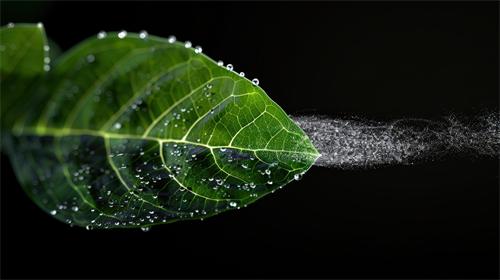
Consider a plant near a direct air vent: its leaf tips may dry and curl, whereas a plant placed just a few feet away in a calm corner may appear perfectly healthy. The mismatch arises not from watering habits, but from how the indoor airflow changes water sensing and loss patterns.
| Airflow stress is largely invisible but persistent, slowly compromising plant health over weeks or months.
3. Winter Heating and the “Invisible Desert”: Humidity Disruption
Winter heating systems create another form of chronic ecological stress. Long-term heating reduces relative humidity to 20–30%, far below the 50–70% preferred by most indoor plants.
Low humidity accelerates water loss from leaves, limits new growth, and disrupts transpiration cycles. Plants may appear fine at first, but over time, chronic dehydration affects physiological function. Homeowners often misattribute leaf yellowing to under-watering, unaware that environmental dryness, not neglect, is the root cause.
| Humidity stress is gradual and accumulative, largely undetectable until significant physiological disruption occurs.
4. Microecology Loss: Minimalist Design Reduces Plant-Friendly Environments
Modern minimalist design emphasizes clean surfaces: tile, sealed wood floors, metal furniture. While aesthetically pleasing and easy to maintain, these environments drastically reduce surfaces for microbial life, organic dust, and natural buffering that plants rely on.
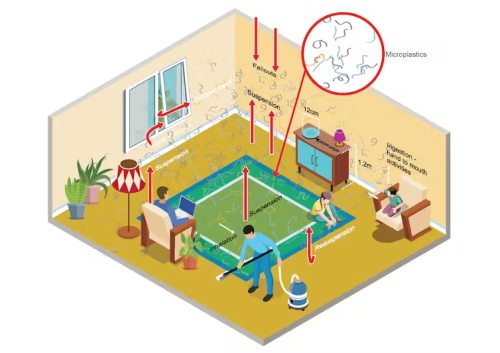
Beneficial microorganisms in the soil and on surfaces help maintain root health, reduce disease incidence, and support nutrient cycles. In contrast, ultra-clean, hard-surfaced apartments create low-biodiversity spaces. Plants in these environments are more prone to subtle long-term decline.
Older homes, with porous materials, fabrics, books, and accumulated dust, inadvertently supported a robust microecology, allowing plants to thrive with minimal intervention.
| A counterintuitive insight: cleaner and more comfortable spaces for humans may be more stressful for plants.
5. Social Media Plant Environments: Misleading Reference Points
Many indoor plant enthusiasts emulate “Instagram-worthy” plant corners. However, these staged environments are optimized for photography rather than sustainable growth. Light is carefully directed, humidity and temperature are controlled, and hidden equipment—humidifiers, supplementary lighting—is often used.
Attempting to replicate these environments in a normal apartment usually results in disappointment. The plants are healthy in the photograph, but the microclimatic conditions in a real home are fundamentally different.
| What we imitate is a display environment, not a living residential ecosystem. Plant struggles in real homes are not a failure of care—they are evidence of system mismatch.
Conclusion: Ecological Mismatch Between Modern Homes and Plants
Light, air, humidity, and microecology together create subtle but chronic stress for indoor plants in modern homes. Our living spaces are optimized for human comfort, cleanliness, and aesthetic consistency—but not for ecological stability. Plants are not inherently fragile; they are subject to a long-term mismatch between their natural ecological requirements and the artificial indoor systems we have designed.
Reframing indoor plant care this way changes the narrative: poor plant health is often not a personal failure but a structural consequence of modern living. The broader question becomes: can future urban homes balance human comfort with ecological compatibility? As residences become increasingly engineered, plants may represent the last small-scale ecosystem resisting artificial simplification.
| Plants are more than decoration—they are integral components of indoor micro-ecosystems. Recognizing the ecological mismatch in our homes is the first step toward rethinking our relationship with urban nature.
FAQs
1. Is air conditioning harmful to indoor plants?
Not directly, but constant directional airflow can increase transpiration and create chronic water-loss stress over time.
2. Can I fix humidity problems easily?
Partially. Humidifiers help, but in low-humidity heated environments, maintaining stable plant-friendly moisture levels remains difficult.
3. Are “easy-care plants” actually easier in modern homes?
Not necessarily. Their “ease” is based on average natural indoor conditions that many modern sealed apartments no longer match.
References
1. Berger, J., Essah, E. A., & Blanuša, T. (2025). The impact of plants on indoor air quality and the wellbeing of building occupants. Acta Horticulturae.
2. Scientific Reports. (2024). Adaptation of indoor ornamental plants to various lighting levels in growth chambers simulating workplace environments. Scientific Reports, 14, 67877.
3. Energy and Buildings. (2025). Modeling thermal impacts of indoor living plants in the built environment. Energy and Buildings, 321, 112456.
4. Dela Cruz, J., & Hsu, T. (2020). A systematic review of effects of indoor plants on air quality. Indoor and Built Environment, 29(10), 1323–1342.
About the Author
Clara Whitfield, MA – Biophilic Design Consultant & Eco-Lifestyle Content Specialist
Clara Whitfield is a consultant and writer focused on biophilic interior design, ecological home trends, and sensory-centered living environments. She earned her Master’s degree in Sustainable Design from the University of Manchester and has contributed to residential wellness projects, eco-conscious furniture brands, and environmental education initiatives. Her writing explores how natural systems, material choices, and urban living conditions shape both household comfort and environmental resilience.
Editorial Transparency Statement
This article is written for educational and interpretive purposes, synthesizing current research in indoor environmental science, plant physiology, and architectural ecology. It does not constitute professional horticultural, architectural, or medical advice. Environmental responses of plants may vary significantly depending on species, regional climate, and household conditions. Readers are encouraged to treat the insights as conceptual frameworks rather than prescriptive rules.
Disclaimer
Plant health is influenced by multiple interacting variables, including species-specific tolerance, local climate, and maintenance practices. While this article discusses structural environmental factors in modern homes, individual outcomes may vary. No guarantee of plant survival or growth success is implied.
Recommend for you:
Urban Mycology: Growing Mushrooms Safely Indoors in 2026
Inside the Risks of Urban Mushroom Cultivation
The Shared Surface Problem: How Families Can Avoid Tension at Home
Turning Shared Spaces into Harmony Without Losing Personal Privacy
The Rise of Modular Furniture for Short-Term Urban Living
The Furniture Dilemma of Urban Nomads: Is Modularity a Solution, or Just Another Compromise?
Why So Many Home Designs Become Unbearable After Three Years
Layout, Not Furniture, Is What People Regret Most — And Why “We’ll Fix It After Moving In” Rarely Works