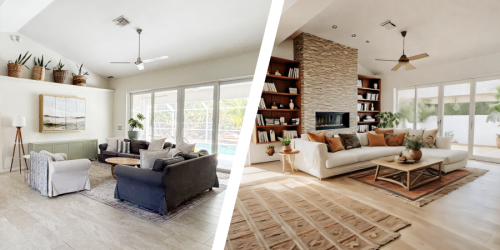
Why I Stopped Choosing “Luxury-Looking” Materials
——How Real-Life Wear and Daily Use Taught Me That Beauty Doesn’t Always Equal Comfort
By Clara Whitfield | Updated on February 2026 | 🕓 12 minutes
Key Highlights
- How do luxury-looking materials affect daily comfort at home?
- Why can visual appeal of furniture lead to psychological stress?
- What practical alternatives exist to maintain beauty without extra maintenance?
- How can everyday living redefine the meaning of “luxury”?
- What lessons can families with children or pets take from this experience?
The First Disappointment After Moving In
On the first weekend after moving into our new home, I eagerly admired every piece of furniture: glossy wood finishes, a leather sofa, a marble dining table… Each item radiated a sense of “luxury,” like a page out of a design magazine.
But when I first sat on our brand-new leather sofa, a strange tension crept in. With my child running around nearby, I had to be extra careful, afraid he might scratch the surface. At that moment, I realized that behind the glossy “luxury” of materials lies the friction of everyday life—I wasn’t enjoying my home; I was protecting my furniture.
From that day on, I began to rethink my obsession with luxury-looking materials.
1. Leather and Fabric Sofas: A Daily Psychological Load
Our once-prized leather sofa looked flawless in photos, soft to the touch and luxurious. In reality, every time I sat down, I was cautious. A child’s fingernail could leave a mark, a cat jumping up made me tense.
To maintain its pristine condition, I spent at least ten minutes each week applying leather conditioner and wiping dust. At first, I thought this was just “taking care of my furniture,” but over time, I began to ask myself: Am I enjoying the sofa, or is it controlling me?
Fabric sofas have their own issues. They are soft and comfortable, but pet hair and dust stick everywhere. Before sitting down, I often check the surface for cleanliness, and even a small oversight can leave fibers clinging to my clothes. Comfort seemed to erode bit by bit under this small friction.
| Luxury-looking materials don’t always bring pure enjoyment—they often bring maintenance burdens and psychological stress. In daily life, this accumulates faster than the money spent on them.
2. Marble and Wood Finishes: When Beauty Collides With Use
Our dining table was an imported marble top. When we first moved in, its smooth surface and heavy texture made me feel like I was dining in a mansion.
But life is messier than imagined. The first time I placed a hot cup on it, a small water mark appeared. Then my child drew on the table with watercolor pens, leaving tiny scratches.
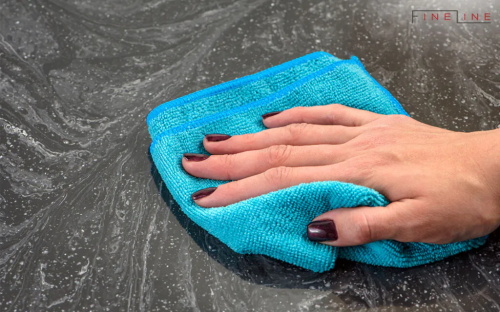
Even after wiping it with cleaner and cloth, some marks remained. Every meal, craft project, or casual placement of items made me careful, as if any movement could “ruin” its perfection.
Wood-finished furniture is similar. It looks sturdy but is prone to discoloration under sunlight, and moisture or heat can leave marks. Cleaning requires caution, and gradually, I began to wonder: Is this beauty really worth the cost?
| Visual luxury does not equate to long-term practicality. Real value lies in the experience of living with it over time.
3. Metal and Mirrored Surfaces: The Cold Cost of High-End Looks
Our metal chairs and mirrored cabinet doors initially gave a sense of modern luxury. Every morning, sunlight reflected off them, and I admired their sleek look.
But as life sped up, the drawbacks emerged. Fingerprints accumulated daily on mirrored surfaces, metal oxidized over time, and cleaning became a tedious routine. Even worse, the cold touch of these materials reduced the warmth of the space.
| The “luxury” of materials often exists only visually; physical comfort and psychological experience are easily overlooked.
4. Psychological Burden: Home Isn’t a Showroom
What truly made me decide to avoid luxury-looking materials was the psychological burden.
When my child plays on the floor, I instinctively warn him, “Be careful, don’t touch the sofa.” When a pet jumps up, I hold my breath. Every daily action carries concern for the furniture. The home that should have been relaxing turned into a place of caution.
This tension is even more exhausting than maintenance. Life is meant to be free and comfortable—not constantly mindful of preserving furniture.
| Luxury-looking materials can create invisible constraints, reducing freedom at home. Design should prioritize living comfort over visual impact.
5. Seeking Alternatives: Practical Choices
After experiencing these frustrations, I began exploring alternative options—ways to maintain beauty while making daily life easier.
1. Composite Stone Tabletops
I replaced our marble dining table with a high-density composite stone tabletop. Its texture and pattern are slightly less natural, but it is durable and heat-resistant. Spilled juice, coffee, or hot cups leave no trace. Most importantly, I no longer have to be overly cautious; my child can paint or do crafts on it without worry.
| On weekends, my child and I do crafts together. He can paint freely, and I don’t have to stress about ruining the tabletop. This sense of ease outweighs the visual wow factor of marble.
2. Removable Fabric Sofas
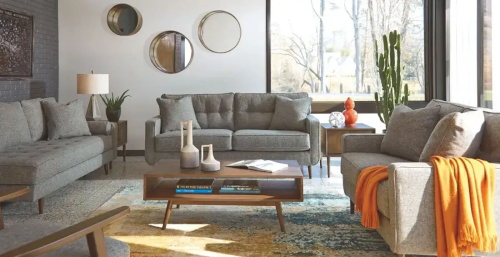
Our leather sofa was hard to maintain, so we switched to a removable fabric sofa. It’s warm in color, soft to touch, and the covers can be machine-washed.
| After a messy play session or when pets jump up, I simply remove the cushion covers and wash them. Within minutes, the sofa looks fresh again. I can relax with my child on the sofa without worrying about scratches or stains.
3. Durable Coatings and Eco-Friendly Materials
For kitchen cabinets and desks, I chose wood finishes with durable coatings. They lack the natural sheen of real wood, but are resistant to scratches, fading, and stains.
| Coffee spills or watercolor pens from my child wipe off with a damp cloth effortlessly. Cleaning becomes a small, pleasant routine rather than a stressful chore.
4. Design Over Material
To retain a sense of “luxury” at home, I rely more on design and color:
- Combining warm tones of different wood shades to create depth
- Using small metal accents, like lighting fixtures and handles, instead of full-metal furniture
- Simple, proportional furniture lines that make the space feel neat and elegant
| Sunlight hits the tabletop and cushions, creating a soft luxurious feel without extra maintenance. Even if my child paints on the floor, the home remains clean and inviting.
6. Redefining “Luxury” Through Everyday Life
Through these adjustments, I slowly realized that true luxury is not about expensive materials, but about comfort and freedom in daily life.
1. Comfort
Luxury materials may impress visually, but when uncomfortable or inconvenient, their appeal fades quickly.
- Our sofa now allows free sitting, lounging, and play. My child can climb on it, and I can read comfortably.
- Tables and cabinets no longer feel “cold” or intimidating—they’re smooth, accessible, and stain-resistant.
2. Freedom
- I no longer worry about my child or pets damaging furniture. Every action is free and natural.
- The home functions as a living space, not a showroom.
3. Sustainability
- Durable surfaces, washable fabrics, and easy-to-clean materials reduce replacement and maintenance costs, making them more economical in the long run.
| On weekends, my child paints in the living room while the cat jumps on the sofa. Sunlight spills across the cushions, I sip my coffee and read. The home is clean and calm. There’s no tension, no anxiety—this is the luxury I now value.
7. Conclusion: Shifting From Visual to Living Luxury
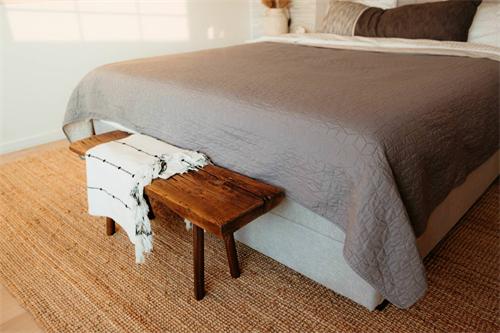
Through moving, using, cleaning, and observing, life has taught me: furniture choices should be guided by firsthand experience, not photos or brands.
Avoiding so-called “luxury-looking” materials is not giving up beauty—it’s pursuing real, relaxed, durable, and free living.
Now, my home’s sense of luxury comes from:
- Comfort: sitting, touching, and using furniture feels effortless
- Freedom: kids can play, pets can roam, chores don’t cause stress
- Durability: easy to clean, scratch-resistant, low-maintenance
- Design: colors, proportions, lines, and light create elegance
Home is a vessel for life, not a display stage. True luxury comes from smooth living and emotional ease, not the shine or brand of materials.
| I began avoiding “luxury-looking” materials to make our home more livable and to let my family and me truly relax and enjoy it.
FAQs
Q1: Can luxury-looking materials be combined with family-friendly use?
Yes—through design-focused strategies such as accenting spaces with metal or wood finishes in small doses, using removable covers, or selecting composite materials that mimic luxury without fragility.
Q2: How do alternative materials impact the aesthetic of a home?
While slightly less “wow” visually, thoughtful color palettes, proportion, texture, and lighting can create an elegant and comfortable home that feels luxurious in a lived-in way.
Q3: Is the “luxury” of a home mostly psychological?
Often, yes. True luxury is increasingly being defined by comfort, freedom, and stress-free living rather than glossy surfaces or expensive brands.
References
1. Redefining Luxury: The Role of Healthy Materials in Sustainable and Wellness‑Focused Hospitality — National Association of Hospitality & Design professionals (2025).
2. The Best Materials for Home Interiors: A Guide to Durability, Design, and Long‑Term Value — Berg Development (Dec 2025).
3. Is Luxury Decor Really Worth the Price Difference Compared to Budget Decor? — Alibaba Product Insights (2025).
4. Roper, K., & Fields, L. (2024). Everyday home use vs. design aesthetics: A longitudinal study of furniture wear in family households. Journal of Interior Design, 49(2), 23–38.
About the Author
Clara Whitfield, MA – Biophilic Design Consultant & Eco-Lifestyle Content Specialist
Clara Whitfield is a consultant and writer focused on biophilic interior design, ecological home trends, and sensory-centered living environments. She earned her Master’s degree in Sustainable Design from the University of Manchester and has contributed to residential wellness projects, eco-conscious furniture brands, and environmental education initiatives. Her writing explores how natural systems, material choices, and urban living conditions shape both household comfort and environmental resilience.
Editorial Transparency Statement
This article is based on firsthand professional experience, industry reports, and published research. No external sponsorship influenced the opinions or recommendations presented here. All product mentions are illustrative and not endorsements.
Disclaimer
The information provided in this article is for educational and informational purposes only. Individual experiences may vary, and readers should consider their own household needs and consult professionals when making design or material decisions.
Recommend for you:
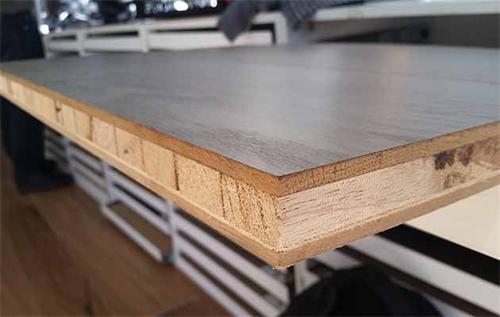
Solid Wood, Engineered Boards, or Bamboo — What Actually Changes After Five Years of Living With Them
A Long-Term Look at Aging, Maintenance, Repairs, and Real-Life Use — Not a Material Ranking Guide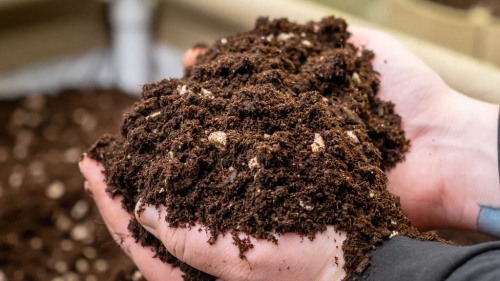
Microbial Ecology in Potting Soil Explains What Care Routines Cannot
Why Identical Balcony Plants Grow Differently Under the Same Water and Light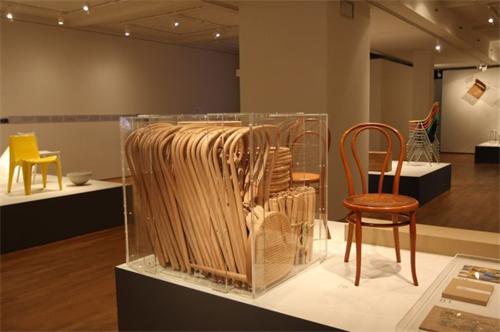
The Rise of Modular Furniture for Short-Term Urban Living
The Furniture Dilemma of Urban Nomads: Is Modularity a Solution, or Just Another Compromise?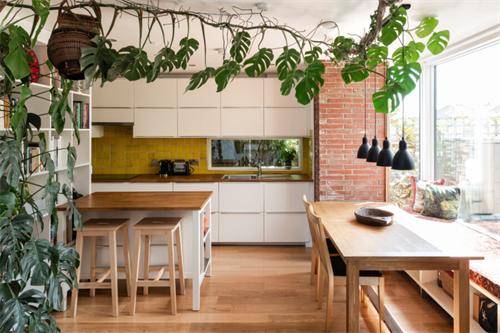
Modern Homes Aren’t Designed for Plants
How Sealed Windows, Open Kitchens, and Central Air Conditioning Subtly Transform Indoor Ecosystems