Why “Beginner-Friendly” Plants Fail More Often Than Delicate Ones
By Oliver Hayes | Updated on February 2026 | 🕓 10 minutes
Key Highlights
- Why do “beginner-friendly” plants often die more slowly rather than grow more successfully?
- What is the difference between survival tolerance and genuine plant health?
- Why are succulents and snake plants poor “teachers” for new gardeners?
- What hidden forms of stress occur before visible plant decline appears?
- Which plants provide faster and more useful feedback for beginners?
- How can beginners learn to read root-zone health instead of leaf appearance alone?
Across social media platforms, gardening forums, and YouTube channels, a familiar complaint keeps resurfacing:
“I bought plants that were labeled ‘perfect for beginners’—so why are they the first ones to die?”
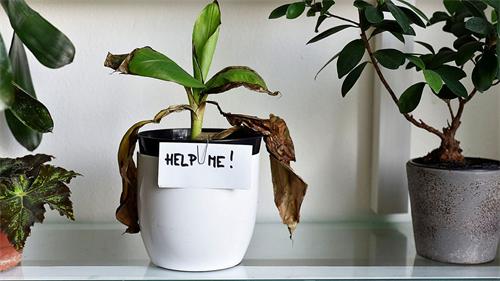
Succulents, pothos, snake plants, money trees—these species are repeatedly marketed as easy, low-maintenance, and nearly impossible to kill. Yet in countless beginner households, they decline slowly and die quietly, often without obvious warning.
This paradox is not only frustrating—it is widespread. And it cannot be explained simply by saying “you don’t have a green thumb” or “you lack experience.”
The real explanation lies deeper, at the intersection of plant physiological strategies, delayed ecological feedback, misleading commercial labels, and the complex dynamics of real household environments.
In short:
Plants marketed as “beginner-friendly” are often not plants that thrive easily—but plants that do not collapse immediately under short-term mistakes.
1. “Easy to Grow” Is Not a Physiological Advantage—It Is Error Tolerance
In most gardening advice, “beginner-friendly” plants are described using a familiar set of traits:
- drought-tolerant
- shade-tolerant
- low maintenance
These sound like advantages. Ecologically, however, they describe something far more specific: a high tolerance for disturbance, not an inherent ability to grow well.
Succulents, pothos, and snake plants are not labeled “easy” because they have broad or flexible environmental needs. They are labeled “easy” because they have evolved conservative survival strategies:
- slow growth rates
- low metabolic demand
- internal resource storage (succulent leaves, underground rhizomes, thickened stems)
These traits allow them to withstand unfavorable conditions—overwatering, low light, irregular care—without showing immediate external symptoms.
In plant ecology, this is often described as delayed senescence or delayed mortality.
Instead of collapsing quickly after a stress event, such plants suppress visible decline and redistribute internal resources, postponing failure.
At the molecular level, this strategy is well documented. Certain genes—such as S3H, which regulates salicylic acid degradation—act as biological “brakes” on aging processes, significantly delaying leaf senescence under stress. In other words:
“Not dying quickly” is itself an evolved survival program.
The critical misunderstanding arises when this delayed response is mistaken for robustness or vitality.
Delayed death is not the same as long-term health.
2. The Illusion of Health: How “Slow Collapse” Misleads Beginners
Commercial sellers and novice gardeners alike often misinterpret error tolerance as thriving.
A classic example is the money tree (Pachira aquatica).
Its swollen trunk functions as a water-storage organ. When overwatered, the plant does not immediately wilt. Instead, root systems slowly suffocate and rot underground while the aboveground structure appears unchanged—until one day the trunk softens and the entire plant collapses.
From the outside, it looks like a sudden death.
Physiologically, it is the final stage of a long, invisible decline.
This phenomenon is not unique to plants. In engineering, medicine, and ecology, it is well known that latent failures often precede visible failures. But in home gardening, this concept is rarely acknowledged.
Plants labeled as “easy” often die not because they are fragile—but because they are too forgiving, masking mistakes until recovery is no longer possible.
3. The Core Problem for Beginners: Lack of Learnable Feedback
All skill acquisition depends on one essential element: clear and timely feedback.
Ironically, plants marketed as beginner-friendly are often the worst teachers.
We can broadly divide plants into two functional feedback categories:
1. Feedback-Sensitive Plants
Examples include mint, hydrangeas, and Boston ferns.
These plants respond rapidly to environmental stress:
- water shortage → visible wilting within hours
- unsuitable humidity → leaf curl or collapse
- recovery → quick rebound after correction
They “complain loudly,” forcing beginners to adjust quickly and learn cause-and-effect relationships.
2. Error-Tolerant, Feedback-Delayed Plants
Examples include snake plants, ZZ plants, and many succulents.
Here, stress damage accumulates underground or internally:
- overwatering damages roots first
- external appearance remains stable for weeks or months
By the time yellowing leaves or soft stems appear, systemic failure is often irreversible.
Worse still, beginners receive false positive feedback:
“I watered it, and it didn’t die—so my method must be correct.”
Over time, incorrect habits become reinforced. When collapse finally occurs, it feels sudden and inexplicable.
This is not a failure of care—it is a failure of feedback design.
Beginners do not need plants that tolerate mistakes.
They need plants that expose mistakes quickly.
4. “Beginner Plants” Are Selected for Idealized Environments, Not Real Homes
Another hidden mismatch lies in how “beginner-friendly” labels are created.
Most plant evaluation and selection occurs in controlled greenhouse environments:
- stable temperatures
- consistent diffuse light
- professional substrates
- active ventilation and disease control
Under these conditions, many plants show high short-term survival with minimal intervention.
Real homes, however, are dynamic systems:
- windows provide intense, directional light that changes seasonally
- air conditioning and heating cause abrupt humidity and temperature shifts
- summer windows become heat traps; winter windows become cold sinks
- indoor air circulation is poor, increasing fungal risk
Commercial labels often reflect performance in standardized environments—not real household conditions. This creates systematic data bias, where survivability is overestimated for beginners.
5. Plants Do Not “Speak”—Their Signals Are Easy to Misread
Even when plants are stressed, their signals are ambiguous:
- root hypoxia → wilting (indistinguishable from drought)
- insufficient light → etiolation (slow, non-lethal at first)
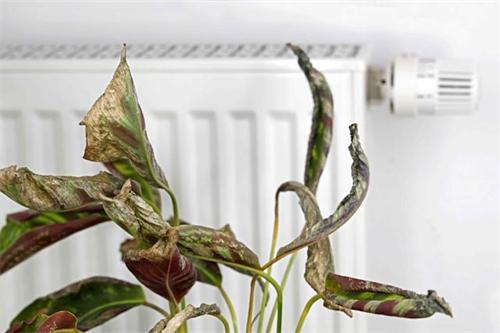
- nutrient imbalance → yellowing (often mistaken for watering errors)
For error-tolerant plants, these signals appear late and overlap with multiple causes, making diagnosis extremely difficult.
The result is a dangerous illusion:
Survival is mistaken for health.
Meanwhile, chronic stress quietly reduces resilience until a tipping point is reached.
This is why many beginners experience the same pattern:
“It looked fine for months—then suddenly it died.”
6. The Three Most Common Beginner Mistakes
1. Overwatering and Underwatering
The majority of indoor plant deaths are linked to watering errors. “Drought-tolerant” plants are particularly vulnerable to overwatering because beginners underestimate the risk of root oxygen deprivation.
2. Misjudging Light
Labels such as “low light tolerant” are often interpreted as “can live in a dark corner.” In reality, these plants merely survive—not grow well—under low light. Chronic light deficiency weakens long-term health.
3. Improper Containers and Soil
Dense substrates and pots without drainage prevent oxygen exchange, accelerating root damage even under moderate watering.
7. Practical Advice: Start With Teachers, Not Myths
If you are new to gardening, avoid chasing the myth of the “unkillable plant.”
Instead:
- Begin with “coach plants.”
Boston ferns are a good example: they wilt rapidly when dry and recover quickly after watering, clearly demonstrating proper moisture cycles.
- Abandon the illusion of stability.
Home environments change constantly. Watering frequency and placement must shift with seasons.
- Learn to observe below the surface.
Pot weight, drainage holes, and root condition are often more informative than leaf appearance.
Conclusion: Gardening Is a Dialogue, Not a Test of Endurance
Successful plant care is not about finding species that refuse to die.
It is about building a responsive dialogue—where actions produce understandable responses, and mistakes become learning opportunities rather than delayed disasters.
Once you realize that many “beginner-friendly” plants are simply slow to fail, you cross one of the most important conceptual thresholds in home gardening.
From that point on, improvement becomes not a matter of luck—but of understanding.
FAQs
1. Are succulents actually good plants for beginners?
Not always. Succulents tolerate neglect and survive temporary stress well, but they often provide poor feedback. Overwatering damage may remain invisible for weeks before root rot becomes irreversible. For many beginners, this delayed response makes learning more difficult rather than easier.
2. Is yellowing always caused by overwatering?
No. Yellowing leaves can result from multiple stressors, including nutrient imbalance, insufficient light, root hypoxia, temperature shock, or natural aging. Similar symptoms may have very different causes.
3. What makes a plant a good “teacher plant”?
Plants that provide rapid, visible feedback help beginners build intuition. Species like mint, basil, or Boston ferns visibly wilt when stressed and recover quickly after correction, making cause-and-effect relationships easier to understand.
4. Can “low-light plants” survive in dark rooms?
Usually not long term. “Low-light tolerant” means a plant can survive reduced light better than some species—not that it can thrive without adequate illumination. Chronic low light weakens metabolism and resilience over time.
5. Why do indoor plants fail more often in winter?
Indoor winter conditions combine several stressors:
- reduced daylight duration
- cold window surfaces
- dry heated air
- lower airflow
- slower soil evaporation
These factors often increase the risk of overwatering and root stress.
6. Do expensive pots and fertilizers improve beginner success?
Not necessarily. Proper drainage, suitable light exposure, and stable watering habits matter far more than decorative containers or excessive fertilization. In many cases, poor pot design causes more problems than nutrient deficiency.
References
1. Parent, C., et al. (2018). Plant responses to flooding stress: From morphological to molecular features. Plant Science, 269, 1–8.
2. Poorter, H., et al. (2019). Slow growth, high survival: The ecological trade-off revisited. New Phytologist, 223(1), 44–61.
3. Hall, C. R., Dickson, M. W. (2019). Economic, environmental, and health benefits of consumer horticulture. HortTechnology, 29(2), 150–158.
4. Behe, B. K., et al. (2020). Consumer perceptions of “low-maintenance” plants and post-purchase failure. Journal of Environmental Horticulture, 38(4), 123–131.
5. Royal Horticultural Society (RHS). (2022–2024). Houseplant care, light assessment, and watering diagnostics. → Practical explanations of light, watering, and container design grounded in plant science.
About the Author
Oliver Hayes, MSc – Urban Gardening Systems Researcher & Sustainable Home Writer
Oliver Hayes is a researcher and content writer specializing in urban gardening ecology, balcony food systems, and sustainable home environments. He holds a Master’s degree in Environmental Horticulture from the University of Copenhagen and has collaborated with community garden networks, indoor farming startups, and ecological design organizations across Europe. His work focuses on helping everyday households better understand the hidden environmental factors affecting plant health, indoor biodiversity, and long-term sustainable living practices.
Editorial Transparency Statement
This article is intended for educational and informational purposes only. It is based on a combination of peer-reviewed scientific literature, horticultural extension resources, ecological theory, and practical observations from indoor growing systems.
The author does not receive compensation from plant brands, gardening retailers, fertilizer companies, or commercial houseplant marketing organizations referenced or discussed in the article.
Any examples of plant species, care labels, or commercial terminology are included solely for scientific analysis and educational discussion.
Disclaimer
Plant health outcomes vary significantly depending on environmental conditions, including climate, humidity, light exposure, airflow, substrate composition, container design, and individual care routines.
The information provided in this article should not be interpreted as professional agricultural, botanical, or pest-management advice specific to any individual situation. Readers should adapt plant care practices according to their own growing conditions and consult local horticultural professionals when necessary.
Recommend for you:
The Truth Behind Overhyped Home Materials
Why Usage Matters More Than Marketing or Time
When plants become witnesses to environmental risk, how should we reinterpret their “illness”?
They are not just being harmed — They are absorbing, documenting, and concentrating the risks in our environment.
Why “Beginner-Friendly” Plants Fail More Often Than Delicate Ones
Succulents, pothos, snake plants, money trees—these species are repeatedly marketed as easy, low-maintenance, and nearly impossible to kill.
Urban Mycology: Growing Mushrooms Safely Indoors in 2026
Inside the Risks of Urban Mushroom Cultivation