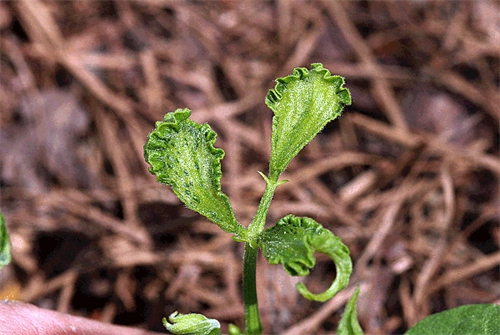
When plants become witnesses to environmental risk, how should we reinterpret their “illness”?
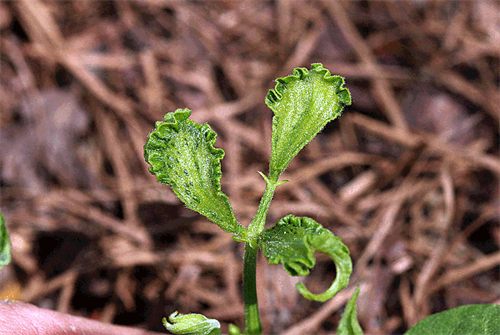
——They are not just being harmed — They are absorbing, documenting, and concentrating the risks in our environment.
By Oliver Hayes | Updated on May 2026 | 🕓 12 minutes
Key Highlights
- Are indoor plants truly “purifying” the air — or silently absorbing pollution themselves?
- How do VOCs and airborne chemicals affect plant respiration and long-term growth?
- Why can potted plants become hidden collectors of heavy metals in cities?
- Is it still safe to grow edible herbs and vegetables on balconies near traffic?
- What simple household habits can reduce environmental stress on plants?
- What can dying or struggling plants reveal about the health of our indoor environment?
I. Don’t Blame the Watering: A Cognitive Blind Spot About Air Pollution
In a Brooklyn apartment in New York City, a carefully tended monstera begins to yellow at the edges of its leaves. In Kreuzberg, a district of Berlin, basil on a kitchen windowsill grows increasingly stunted, its leaves losing their thickness and sheen. On the balcony of a high-rise in Minato, Tokyo, a once-glossy succulent is coated in a stubborn gray film.
All three owners respond in similar ways: adjusting watering schedules, purchasing imported specialty soil, adding organic fertilizer.
The problem seems solvable — yet two weeks later, the plants are dead.
Almost none of them suspect the air. And this is precisely the shared cognitive blind spot of urban residents worldwide. We assume that indoor air, even if not perfectly fresh, is at least harmless. Plants, however, use their bodies to tell us otherwise: the issue is not the soil — it is the invisible air surrounding them.
II. Airborne Chemical Residue: Volatiles Never Disappear — They Simply Relocate
The Global “Chemical Soup” Indoors
Modern urban living has created an unprecedented indoor chemical experiment.
High-density buildings depend on mechanical ventilation. In North America, winter heating keeps windows closed; in Europe, damp cold weather discourages ventilation; in many East Asian cities, smog seasons lead residents to seal their homes. After the pandemic, intensified disinfection habits further increased the chemical complexity of indoor air.
These pollutants share a common name: volatile organic compounds (VOCs).
They originate from floor polishes releasing nonylphenol ethoxylates, air fresheners containing limonene, disinfectants formulated with quaternary ammonium compounds, and new furniture emitting toluene and xylene. When you wipe a surface with a cleaner, the “fresh scent” is not proof of cleanliness — it is evidence of chemicals evaporating into the air.
Plants’ “Respiratory Trap”
The fundamental difference between humans and plants is this: we inhale intermittently; plants breathe continuously — with their entire bodies.
Thousands of stomata cover the surface of each leaf, absorbing carbon dioxide for photosynthesis. These pores are defenseless against pollutants. When indoor air is filled with VOCs, plants cannot hold their breath. Studies have confirmed that plant leaf tissues do absorb common VOCs such as acetone, toluene, and limonene.
But this does not mean plants are effectively purifying the air for us. Researchers at Drexel University calculated clean air delivery rates and found that the speed at which plants remove VOCs is orders of magnitude slower than natural building ventilation. To match the air-cleaning performance of a household purifier, one would need approximately 100 to 1,000 plants per square meter.
The reality is sobering: plants do absorb pollutants, but far too slowly to meaningfully improve indoor air quality. They are simply exposed — passively and continuously.
Invisible Chronic Injury
This long-term exposure does not cause dramatic overnight collapse. Instead, it produces a subtler, systemic chronic stress:
- Reduced photosynthetic efficiency: VOCs can disrupt chloroplast membrane structures, lowering the efficiency of plants’ energy factories.
- Stomatal dysfunction: Persistent chemical stimulation interferes with stomatal regulation, increasing water loss.
- Oxidative stress: Excess reactive oxygen species accumulate within plant tissues, attacking their own cells.
What you perceive as “slower growth” or “dull leaves” is not a fertilizer deficiency. It is the plant diverting energy toward chemical defense rather than growth.
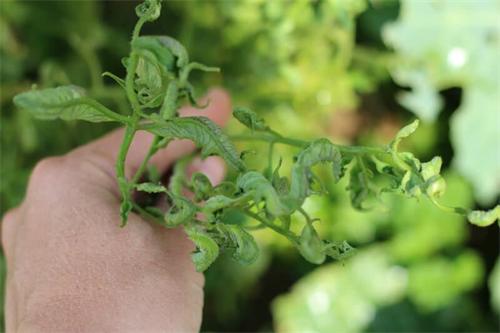
III. Heavy Metal Accumulation: Urban Potted Plants as Micro-Collectors
If VOC exposure resembles a chronic internal disorder, heavy metal accumulation is closer to slow poisoning — and it affects more than just plants.
The Metallic Ghosts of Urban Air
Cities worldwide share similar pollution signatures.
Brake pad wear releases copper and zinc. Tire dust contains cadmium and lead. Aging building facades shed chromium-containing particles. Industrial regions emit fine heavy metal particulates that drift and settle into homes.
These microscopic particles descend with dust — onto every balcony, windowsill, and indoor surface.
Why Potted Plants Become “Concentration Systems”
Plants grown in open soil have natural buffering mechanisms:
- Soil microorganisms immobilize part of the heavy metals.
- Rainwater washes leaves and topsoil.
- Deep soil layers dilute contaminants.
Potted plants are fundamentally different:
- Limited soil volume: No deep layers to dilute pollutants.
- No natural leaching: Indoor plants receive no rainfall; deposited dust remains in the soil.
- No escape mechanism: Heavy metals do not degrade. They accumulate indefinitely.
Your pothos pot effectively becomes a miniature heavy metal collection system.
Studies confirm that even in greenhouse conditions (where atmospheric deposition is negligible), heavy metals in soil can enter edible plant tissues through root uptake. Research conducted in Mexico City found unusually high cadmium accumulation factors in lettuce grown in urban gardens, and strong mercury accumulation in tomatoes, with arsenic, cadmium, mercury, and lead exceeding international safety thresholds in multiple vegetables.
The Overlooked Household Risk
If you grow ornamental plants only, the risk remains relatively manageable. But urban agriculture is on the rise. More residents cultivate basil, mint, and rosemary on balconies.
A study from the Paris region issued a stronger warning: although pot experiments may overestimate metal accumulation capacity, potted plants grown in contaminated soil can still reach excessive or toxic tissue concentrations.
When you pluck that balcony mint leaf for tea, you may be ingesting a concentrated cocktail of your city’s traffic history.
IV. Why Has This Global Issue Been Overlooked?
Despite its prevalence, this issue has rarely entered public discourse. Three layers of invisibility contribute to the neglect:
1. Invisible pollutants: VOCs are often colorless and odorless; heavy metals cannot be seen. No smell means assumed safety.
2. Invisible symptoms: Plants cannot express pain. Their gradual decline is interpreted as poor care.
3. Individualized blame: When a plant dies, advice focuses on watering and fertilization — never on systemic environmental conditions.
Behind this lies a structural paradox of modern housing:
Sealed buildings + chemical cleaning culture + mechanical air dependence = environments tolerable for humans, but persistently stressful for plants.
V. Beyond Diagnosis: What Can We Do?
Understanding systemic problems is not about inducing anxiety. It is about enabling more effective action.
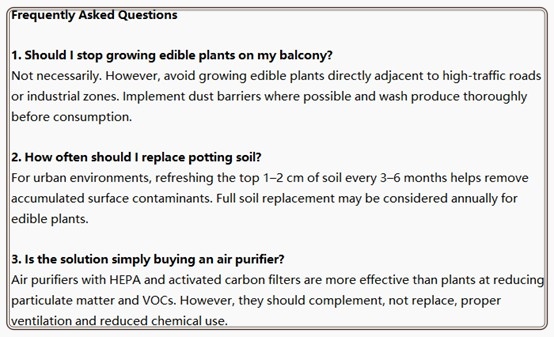
1. The “Air Window Principle” for Cleaning Products
- After spraying cleaners, air fresheners, or disinfectants, open windows for 20–30 minutes.
- Avoid spraying near plants; aerosols adhere directly to leaf surfaces and enter through stomata.
- Do not use chemical products in sealed spaces at night — plants continue to respire, even when air exchange stops.
2. The “Topsoil Renewal Method” for Potted Plants
Every 3–6 months, carefully remove the top 1–2 centimeters of soil and replace it with fresh substrate.
This removes a substantial portion of deposited heavy metals and surface contaminants.
It simulates natural leaching and deposition processes, breaking the “accumulate-only” cycle of confined containers.
3. Simulated Rainfall for Balcony Plants
Once a month, thoroughly flush balcony plants with clean water — not just misting leaves, but allowing water to pass completely through the soil and drain from the bottom.
“Gentle, small watering” traps pollutants in the root zone.
“Heavy flushing” can carry away a portion of soluble contaminants.
4. Risk Zoning for Edible Plants
- Avoid cultivating edible herbs and vegetables on balconies immediately adjacent to high-traffic roads.
- If you do grow them, consider installing dust barriers.
- Wash thoroughly before consumption — not merely to remove visible dust, but to reduce metal particles adhering to surfaces.
Plants are our sentinels.
When they silently endure environmental stress, the least we can do is learn to listen.
References
1. Abbass, O. A., Sailan, A. T., & Sulaiman, M. H. (2017). The removal of indoor volatile organic compounds by potted plants: A review. Journal of Environmental Management, 204, 619–634.
2. Cao, S., Chen, L., & Wang, C. (2022). Accumulation and health risk assessment of heavy metals in urban home-grown vegetables: A global meta-analysis. Science of the Total Environment, 806, 150525.
3. Cummings, B. E., Waring, M. S., & Siegel, J. A. (2019). Potted plants do not improve indoor air quality: A review and analysis of reported VOC removal efficiencies. Journal of Exposure Science & Environmental Epidemiology, 29(2), 253–261.
4. World Health Organization. (2021). WHO global air quality guidelines: Particulate matter (PM2.5 and PM10), ozone, nitrogen dioxide, sulfur dioxide and carbon monoxide. WHO Press.
About the Author
Oliver Hayes, MSc – Urban Gardening Systems Researcher & Sustainable Home Writer
Oliver Hayes is a researcher and content writer specializing in urban gardening ecology, balcony food systems, and sustainable home environments. He holds a Master’s degree in Environmental Horticulture from the University of Copenhagen and has collaborated with community garden networks, indoor farming startups, and ecological design organizations across Europe. His work focuses on helping everyday households better understand the hidden environmental factors affecting plant health, indoor biodiversity, and long-term sustainable living practices.
Editorial Transparency Statement
This article is based on peer-reviewed scientific literature, environmental health guidelines, and published empirical research. No commercial sponsorship, product endorsement, or financial incentive influenced the content. The purpose of this article is educational and analytical rather than promotional.
All interpretations aim to accurately represent the scientific consensus available at the time of writing.
Disclaimer
This article is intended for educational and informational purposes only and does not constitute medical, environmental, or agricultural advice. Environmental exposure levels vary significantly depending on location, building conditions, ventilation, traffic density, and individual household practices. The studies referenced in this article describe potential risks and observed patterns rather than guaranteed outcomes in every home environment.
The discussion of VOCs, heavy metals, and indoor pollutants is designed to encourage awareness and practical risk reduction — not fear or alarm. Readers concerned about severe indoor air quality issues, contamination, or food safety should consult qualified environmental health professionals, local public health agencies, or certified testing services for situation-specific guidance.
Recommend for you:
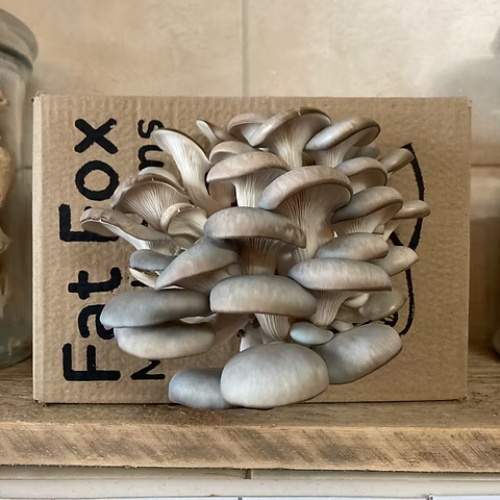
Urban Mycology: Growing Mushrooms Safely Indoors in 2026
Inside the Risks of Urban Mushroom Cultivation
Smart Homes That Actually Reduce Stress — What the Research Says
The most common promise smart homes sell is “convenience” — doing a little less, so you can save a little more mental energy.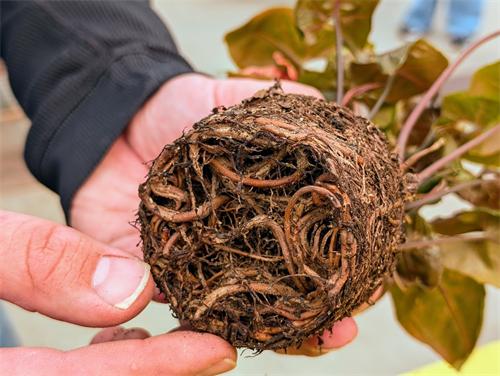
Plant Memory and Resilience to Environmental Change
Why Repotting Often Becomes the Last Straw for Your Plants
Why Beautiful Rooms Don’t Always Work
The Hidden Psychology Behind Furniture Placement — and How to Fix It