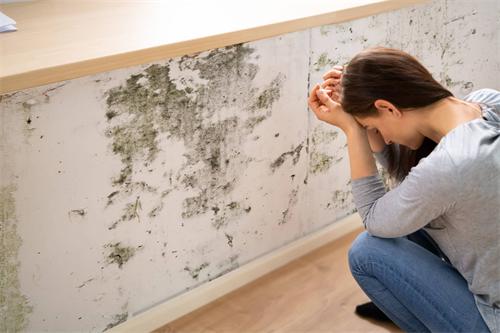
The Truth Behind Overhyped Home Materials
——Why Usage Matters More Than Marketing or Time
By Nathaniel Brooks | Updated on February 2026 | 🕓 8 minutes
Key Highlights
- Why do engineered stone countertops crack despite claims of “lifetime durability”?
- How do humidity and temperature fluctuations affect high-density laminate panels?
- Why is professional installation often more important than material quality?
- Which daily habits accelerate wear and tear on home materials?
- How can homeowners choose materials suitable for their specific environment?
In many modern kitchens, homeowners invest in high-priced engineered stone countertops, expecting them to remain pristine for decades. Yet, after placing a hot coffee pot on the surface, brown rings often appear that are difficult to remove. Likewise, high-density laminate cabinets, advertised as durable enough to last 50 years, may start swelling and warping in humid environments within months. This reflects a common dilemma in home improvement: marketing often divorces materials from real-world conditions, creating the illusion of “timeless durability.”
Step into any home improvement store or browse a renovation website, and you are surrounded by claims such as “lifetime durability” and “never fades.” However, these promises rarely align with actual usage.
Engineered Wood Panels: Durability vs. Reality
High-density laminate panels are frequently marketed as combining “real wood appearance with high durability,” claiming a lifespan of up to 50 years. In reality, especially in kitchens, bathrooms, or other humid areas, these materials absorb moisture and swell. Laboratory conditions, often used for marketing, cannot replicate the dramatic humidity fluctuations present in real homes.
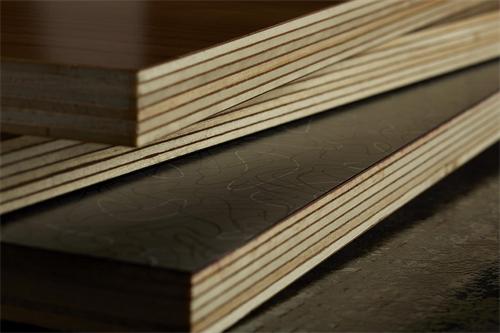
Research data shows that when environmental humidity varies by ±20%, the thickness of laminate boards can change by 3–5 millimeters, which explains why cabinets in humid regions can deform within just a few months. This gap between lab-tested durability and real-world performance highlights the importance of considering actual usage conditions rather than relying solely on marketing claims.
Engineered Stone Countertops: Strengths and Hidden Weaknesses
Quartz or engineered stone countertops are heavily promoted for their high scratch resistance, stain resistance, and crack resistance, sometimes even claiming “never permeable.” Yet in practical use, placing hot pots directly on the surface, exposure to strong acidic cleaning agents, or accidental impacts can lead to cracks.
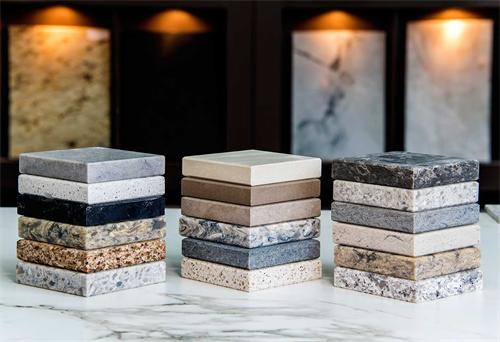
A subtler factor is that performance heavily depends on flawless installation. Poor installation often causes stress points at corners and seams, leading to cracks, while dark liquids seeping into seams can leave stubborn stains. Even the hardest materials cannot compensate for errors in installation or inappropriate use.
Solid Wood Flooring: Environmental Sensitivity
Solid wood flooring marketing often emphasizes “lifetime durability” and “natural eco-friendliness.” In practice, however, its performance is highly sensitive to environmental conditions. Geothermal heating, direct sunlight, and seasonal humidity fluctuations can all cause noticeable expansion and contraction.
According to the ASTM D4442 standard for North American hardwood flooring, different wood species expand and contract at predictable rates under varying temperature and humidity. In northern regions during dry winters, floors may develop gaps due to contraction, whereas in humid southern climates, they may warp or cup. Marketing slogans rarely reflect these environmental realities.
PVC Panels and Wallpaper: Easy Maintenance Claims
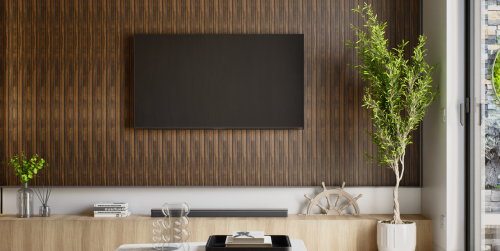
PVC decorative panels or wallpapers are often advertised as “waterproof, mold-resistant, and maintenance-free.” However, low-quality products frequently fail under real conditions, particularly in areas with large temperature fluctuations. For example, during northern winters, indoor heating raises temperatures and lowers humidity, causing some PVC panels to shrink, crack, or curl at the edges. Prolonged exposure to direct sunlight also causes fading, contrary to claims of “lasting as new.”
Usage Matters More Than Longevity Claims
The actual lifespan of home materials rarely depends solely on labels like “durable” or “maintenance-free.” More often, it is the combination of material properties, installation quality, environmental conditions, and maintenance habits that determines longevity. Identifying the gap between marketing and reality is the first step toward making informed choices.
Hidden Enemies of Material Longevity
Most material degradation is not caused by “time” alone but by improper use and maintenance. Environmental factors pose the greatest challenge. Humidity, temperature fluctuations, and sunlight impact materials far more than marketing suggests. For example, a south-facing wooden floor exposed to direct sunlight will fade while experiencing seasonal expansion and contraction due to humidity changes.
Daily handling also plays a crucial role. Cleaning methods and usage habits directly affect material longevity. Scrubbing an engineered stone countertop with a steel wool pad may create microcracks. Even stainless steel surfaces can show permanent scratches if cutting is done directly on the counter.
Improper installation is often more damaging than material quality itself. Cabinets without expansion gaps can crack when heated, and inadequate moisture barriers under flooring can lead to warping. The ASHRAE Handbook (2021) emphasizes that indoor temperature and humidity fluctuations significantly affect the dimensional stability of wood and plastic materials.
Identifying Overhyped Materials
In a market saturated with marketing claims, consumers need strategies to recognize overhyped products. The first step is reviewing professional standards and testing data.
Rational evaluation of material performance is far more important than blindly trusting advertisements. Consumers should consult authoritative data from ASTM, ISO, and national furniture standards, comparing laboratory-tested performance with real-world conditions.
Pay attention to marketing buzzwords such as “never fades,” “lifetime durability,” or “zero maintenance,” as these absolute claims are usually unrealistic.
Finally, consider your specific usage scenario. Countertop selection should be based on actual cooking habits; bathroom materials must account for ventilation; flooring needs to accommodate regional climate. There is no “universal material,” only materials that are “suitable for the specific context.”
Practical Strategies for Reducing Material Risk
Reducing risk requires a holistic approach encompassing selection, usage, and maintenance.
1. Matching Material to Environment: Avoid blindly pursuing “high-end brands.” In humid kitchens or bathrooms, wood-plastic composites often offer better water resistance and durability than traditional plywood. Understanding the characteristics of different countertop materials is crucial. Quartz countertops provide high hardness and heat resistance but have more noticeable seams, while traditional engineered stones can achieve seamless installation but have lower surface hardness and variable quality across brands.
2. Proper Installation: Professional installation is essential to maximize material performance. Pre-allocated expansion gaps, moisture barriers, and proper support significantly extend lifespan. Large installations such as cabinets and flooring especially require professional handling.
3. Maintenance Practices: Follow material-specific cleaning and maintenance routines. Creating a “material handbook” documenting care instructions for each piece of furniture helps household members maintain consistency.
4. Consider Alternatives: When a material cannot withstand a specific environment, seek more suitable or low-maintenance alternatives. For instance, moisture-resistant materials in bathrooms may be more practical than visually appealing but delicate options.
In conclusion, marketing claims rarely tell the full story. Real material performance depends on a combination of inherent properties, environmental adaptation, proper installation, and conscientious maintenance. Homeowners who consider these factors carefully can make informed choices that truly align with their living conditions.
FAQs
Q1: Are marketing claims like “zero maintenance” or “lifetime durability” ever accurate?
A1: Absolute claims are rarely accurate in real-world conditions. Lifespan depends on usage, installation, environmental conditions, and maintenance practices.
Q2: Can high-end materials fail quickly if installed improperly?
A2: Yes. Stress points, inadequate expansion gaps, and improper moisture barriers can significantly reduce material performance.
Q3: Are there ways to predict which materials will perform best in my home?
A3: Yes. Compare professional standards (ASTM, ISO, CEN) and laboratory data with real-world conditions, and consider your local climate and household habits.
Q4: Do solid wood floors require special care for seasonal changes?
A4: Absolutely. Fluctuations in temperature and humidity cause expansion, contraction, gaps, or warping. Regular monitoring and maintenance are essential.
Q5: Are there alternatives to overhyped materials that are more practical?
A5: Yes. For example, moisture-resistant composites for bathrooms, or wood-plastic composites in humid kitchens, can outperform traditional materials in certain environments.
References
1. ASTM International. (2020). Standard Test Methods for Direct Moisture Content Measurement of Wood and Wood-Base Materials (ASTM D4442-20).
2. ASHRAE Handbook — HVAC Applications. (2021). Chapter 30: Wood and Plastics. American Society of Heating, Refrigerating and Air-Conditioning Engineers.
3. European Committee for Standardization (CEN). (2020). EN 312: Particleboards – Requirements. CEN.
4. Zhang, J. J., Chen, W., & Liu, N. (2022). “Testing and Reducing VOC Emissions from Building Materials and Furniture.” In Handbook of Indoor Air Quality. Springer Nature.
About the Author
Nathaniel Brooks, BSc – Home Ecology Analyst & Sustainable Living Research Writer
Nathaniel Brooks is a home ecology analyst and independent writer specializing in indoor ecosystems, sustainable household practices, and environmental behavior research. He holds a degree in Environmental Science from the University of Edinburgh and has worked alongside urban agriculture programs, green building consultants, and educational sustainability platforms. His articles combine scientific research with practical observations to help readers create healthier, more resilient homes and gardening spaces.
Editorial Transparency Statement
This article is based on peer-reviewed research, industry standards, and practical insights from professional experience. It aims to provide accurate, reliable, and actionable information for homeowners. All references are authentic and traceable.
Disclaimer
The content of this article is for informational purposes only. Material performance may vary based on environmental conditions, installation quality, and usage habits. The author and publisher are not responsible for damages or losses resulting from material selection or application based on this article. Always consult professionals when making structural or safety-related decisions.
Recommend for you:

Smart Homes That Actually Reduce Stress — What the Research Says
The most common promise smart homes sell is “convenience” — doing a little less, so you can save a little more mental energy.
Why “Beginner-Friendly” Plants Fail More Often Than Delicate Ones
Succulents, pothos, snake plants, money trees—these species are repeatedly marketed as easy, low-maintenance, and nearly impossible to kill.
The Cost of Replacement: Why Expensive Furniture Isn’t Always Better
How to Make Thoughtful Choices When Swapping Out Hard-to-Replace Pieces in Your Home
When plants become witnesses to environmental risk, how should we reinterpret their “illness”?
They are not just being harmed — They are absorbing, documenting, and concentrating the risks in our environment.