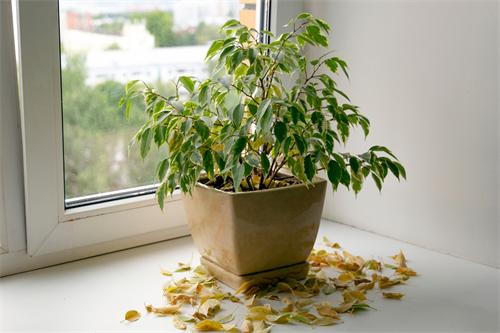
What Our Eyes See as ‘Bright’ Isn’t What Plants Actually Perceive
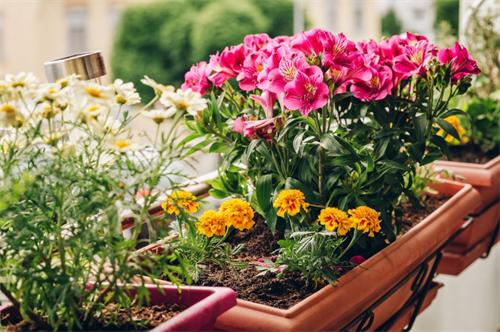
——The Overlooked Issue of Light Stability in Balcony Gardening
By Oliver Hayes | Updated on January 2026 | 🕓 6–7 minutes
Key Highlights
- Why does a balcony that seems “bright” to humans still result in poor plant growth?
- How does light stability, rather than intensity alone, affect plants?
- Which types of plants cope better with fluctuating light?
- How can gardeners monitor and improve light stability in small urban spaces?
If the large-scale failure of balcony gardening stems from a mismatch in system design, then lighting is one of the most misunderstood and least properly discussed variables.
In balcony gardening, many enthusiasts have experienced a frustrating scenario: seeds are carefully sown, plants are attentively cared for, yet they fail to thrive. The problem often does not stem from lack of effort or skill; rather, it lies in a systemic mismatch—light. Light is the most fundamental energy source for plant growth, yet in balcony gardening, it is often misunderstood. Among all aspects of light, stability is the most overlooked factor, despite its critical importance to plant health.
Light Intensity and Orientation: The Difference Between Human and Plant Perception
Many failures in balcony gardening can be traced back to misjudged light conditions. Research conducted in Japan and South Korea has shown that even south-facing balconies, which receive the best exposure, accumulate only 20%–50% of the daily light received outdoors. East- or west-facing balconies fare worse, receiving only 10%–20% of outdoor light—less than one-fifth.
This discrepancy is largely due to perceptual differences. The human visual system perceives light logarithmically, meaning our sensitivity to changes in brightness decreases as light intensity increases. This allows humans to function adequately on cloudy days or in shaded spaces, giving the false impression that plants will thrive under the same conditions.
Plants, in contrast, rely on photosynthetically active radiation (PAR)—light in the 400–700 nm wavelength range—to drive photosynthesis. They contain multiple photoreceptors, including chlorophyll pigments, phototropins, cryptochromes, and phytochromes, which work together to regulate growth, flowering, leaf orientation, and stomatal behavior. Unlike humans, plants do not “see” their environment; they absorb photons to convert light energy into chemical energy. A balcony that feels bright to us may still feel like shade to a plant. Consequently, even if a balcony appears visually bright, plants may lack sufficient energy for healthy growth if the light intensity or cumulative exposure is insufficient.
The Perception Trap: Human Misjudgment and Technological Bias
Humans tend to focus on direct sunlight while neglecting diffuse light. Even on cloudy days, a substantial amount of diffuse light reaches outdoor plants, but our perception often categorizes this as “insufficient,” leading to misjudgment.
One balcony gardener in Seoul described how her basil “looked perfectly sunlit” every afternoon. But after three weeks, the stems became thin and pale, always leaning toward the same corner of the window. Only after using a simple light meter did she realize the plants were receiving less than a quarter of the light intensity found outdoors.
Modern technology further distorts perception. Camera and smartphone image enhancement algorithms automatically brighten dark areas, making photos appear far brighter than reality. This reinforces the false assumption that a visually bright balcony is adequate for plant growth, overlooking the plant’s actual light needs in terms of cumulative exposure and stability.
Windows act as another overlooked filter. Ordinary glass blocks certain wavelengths essential for plants, particularly some UV regions. Dust, coatings, or screens further reduce the effective light reaching plant leaves. Moreover, morning and evening slanting light, while appearing bright to humans, travels a longer path through the atmosphere and undergoes greater scattering, reducing the actual photosynthetically active radiation reaching the leaves.
Light Fluctuations: Why Stability Matters More Than Brightness
Research in plant science has demonstrated that fluctuations in light may have a greater impact on plant growth than total light quantity. While plants have evolved to cope with natural variations in sunlight due to day-night cycles and seasonal changes, balcony environments often present irregular and abrupt light changes. These conditions can disrupt plant physiological rhythms.
Frequent changes in light intensity and direction force plants to constantly adjust their photosynthetic machinery, consuming energy and potentially disrupting growth signaling pathways. Studies indicate that rapid, repeated changes in light reduce photosynthetic efficiency, as leaves must redistribute resources, incurring metabolic costs.
Fluctuations in light also affect transpiration and stomatal signaling. Plants regulate stomatal opening and closing in response to light, controlling water loss and CO₂ absorption. When light is unstable, stomata may fail to respond properly, reducing water-use efficiency or limiting CO₂ uptake. Furthermore, instability can disrupt the root–shoot feedback loop: photosynthates produced in leaves are transported to roots via the phloem, while roots supply water and minerals. Disruptions in this loop can lead to slow growth or excessive stem elongation.
Real-World Balcony Observations
Year-round studies of balconies with different orientations have shown that south-facing balconies consistently support better growth of leafy greens like lettuce compared to east- or west-facing balconies. Measurements of photosynthetic photon flux, temperature, and relative humidity revealed complex interactions between light and other environmental factors.
Seasonal variations further influence balcony conditions. In spring (March–May), south-facing balconies may accumulate approximately 10 mol·m⁻²·day⁻¹ of light, with average temperatures around 25°C. In summer, daily light may slightly decrease, but temperatures rise to around 30°C, with relative humidity exceeding 60%. Even in winter, balcony temperatures can remain near 10°C, while outdoors conditions may drop below freezing. These patterns highlight the importance of plant selection and seasonal management in balcony gardening.
Interestingly, research on balconies with photovoltaic shading panels has shown that watermelons can grow and fruit normally even with only 46.4% light transmission. This demonstrates that plants can adapt to suboptimal light conditions, provided the species selected is suitable for the specific environment.
From “Enough” to “Stable”
Understanding the significance of light stability requires a shift in traditional gardening thinking. Plant health is not determined by brief peaks in light intensity but by stable, predictable light throughout the day.
Different plants tolerate fluctuations differently. Shade-tolerant species, such as certain varieties of saxifrages, cope better with variable light than sun-loving species. On a relatively stable north-facing balcony, shade-tolerant plants may thrive more easily than sun-loving plants subjected to erratic south-facing light conditions.
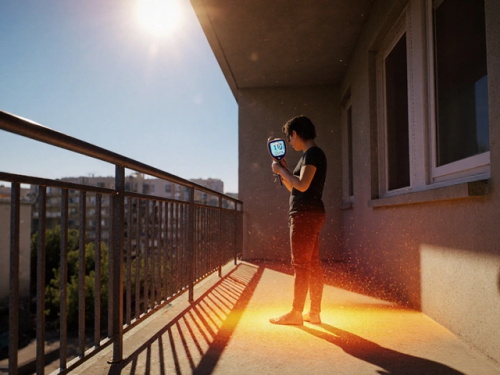
Monitoring trends in light fluctuation is often more practical than measuring intensity alone. A simple method is to observe shadows over the course of the day: on some balconies, sunlight behaves less like a stable resource and more like a flickering spotlight — sliding across leaves for a few minutes before disappearing behind railings, walls, or neighboring buildings.
Light, temperature, humidity, and wind are interconnected factors forming a complex ecological network that influences plant growth.
1. Light–Temperature Interaction: Moving light spots can cause rapid leaf temperature fluctuations, sometimes exceeding the optimal photosynthesis range and causing localized leaf burn.
2. Humidity Buffering and Risk: High humidity can buffer transpiration stress, but in poorly ventilated, low-light conditions, it may promote fungal diseases such as powdery mildew or leaf spot.
3. Wind as a Stabilizer: Airflow disperses stagnant moisture around leaves, helping with temperature regulation and more even light exposure, alleviating stress under fluctuating light conditions.
Micro-System Experiments: Scientific Validation
To better understand balcony light environments, small-scale experimental setups can be designed:
1. Plant Selection
- Core group: Saxifrages or African violets, sensitive to light and temperature fluctuations, with easily observable leaf morphology.
- Control/extended group: Lettuce or spinach, measurable weekly in terms of height, leaf number, and leaf thickness.
2. Micro-System Design
- Experimental Group A (Fluctuating Environment): Positioned in areas with moving light spots on a south-facing balcony.
- Experimental Group B (Stable Environment): Light softened using reflective boards or curtains to create a more uniform scattered light environment.
- Controlled variables: Same soil, pots, and irrigation frequency or consistent soil moisture.
3. Monitoring Indicators
- Growth: Weekly measurements of height, leaf number, and maximum leaf size.
- Morphology: Photographic records of stem elongation, leaf coloration, and phototropic behavior.
- Environment: Simple temperature and humidity measurements; small fan to simulate wind and observe effects.
4. Experimental Directions
- Ventilation Verification: Compare plant health with and without airflow.
- Humidity Control: Use trays to increase humidity in dry seasons and compare growth.
- Insulation Test: Wrap pots with reflective insulating material and observe root temperature and growth compared to unwrapped controls.
These experiments allow gardeners to build a data-driven understanding of their balcony microenvironment rather than relying on visual impressions.
Conclusion
Understanding light stability, selecting appropriate plant species, monitoring environmental conditions scientifically, and validating interventions through experiments are key to successful balcony gardening. As research shows, plants’ adaptability to light is greater than commonly assumed, but only if we manage our balcony micro-systems with evidence-based strategies.
Balcony gardening often fails not because people ignore their plants, but because humans and plants experience the same space differently. What feels bright, warm, and comfortable to us may still be an unstable environment for photosynthesis. In many ways, successful gardening begins when we stop trusting our eyes alone.
FAQs
Q1: Can plants survive on balconies that receive indirect or filtered sunlight?
A1: Yes, but their growth depends on cumulative photosynthetically active radiation (PAR). Some shade-tolerant plants, like saxifrages or African violets, can survive in variable light, while sun-loving species may struggle if the light is too unstable.
Q2: How can I measure whether my balcony light is sufficient for plants?
A3: Light meters measuring PAR are the most accurate. Alternatively, observe shadow patterns: rapidly moving shadows indicate fluctuating light, while consistent shadows suggest stable lighting.
Q3: Can artificial lighting replace natural sunlight for balcony plants?
A4: Artificial grow lights can supplement natural light, but stability is key. Sudden on-off cycles or inconsistent positioning can stress plants similarly to fluctuating natural light.
Q4: How do temperature, humidity, and airflow interact with light?
A5: Rapid changes in light can cause leaf temperature spikes, affecting photosynthesis. High humidity buffers transpiration stress, and airflow prevents fungal diseases while distributing light more evenly. Together, these factors form a complex micro-environment that influences plant health.
References
1. Yamori, W., Shikanai, T., & Makino, A. (2024). Improving photosynthetic efficiency in fluctuating light to enhance yield of C₃ and C₄ crops. Current Opinion in Plant Biology, 74, 102366.
2. Kono, M., & Terashima, I. (2023). Importance of fluctuations in light on plant photosynthetic acclimation. Plant Physiology, 173(4), 2163–2177.
3. Smith, R., Jones, T., & Lee, D. (2023). Contrasting effects of temporally heterogeneous vs. homogeneous light availability on plant growth. BMC Plant Biology, 23, 329.
4. Li, F., & Zhao, Y. (2022). Urban balcony microclimate and plant adaptation. Urban Forestry & Urban Greening, 73, 127650.
5. Andersson, E., & Nilsson, L. (2021). Light stability and plant morphology in controlled urban settings. Frontiers in Plant Science, 12, 645321.
About the Author
Oliver Hayes, MSc – Urban Gardening Systems Researcher & Sustainable Home Writer
Oliver Hayes is a researcher and content writer specializing in urban gardening ecology, balcony food systems, and sustainable home environments. He holds a Master’s degree in Environmental Horticulture from the University of Copenhagen and has collaborated with community garden networks, indoor farming startups, and ecological design organizations across Europe. His work focuses on helping everyday households better understand the hidden environmental factors affecting plant health, indoor biodiversity, and long-term sustainable living practices.
Editorial Transparency Statement
This article is based on peer-reviewed research, recent field studies, and practical observations in urban balcony environments. All data and examples provided aim to give readers an evidence-based understanding of plant growth in small-scale urban gardening, without promoting any specific product or service.
Disclaimer
The information provided in this article is for educational purposes only. While every effort has been made to ensure accuracy, individual gardening results may vary due to microclimate differences, plant species, and other environmental factors. The author and publisher are not liable for any damage or loss resulting from the application of this information.
Recommend for you:
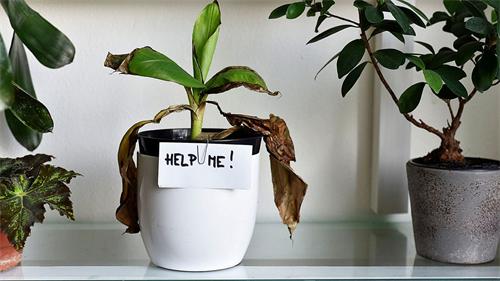
Why “Beginner-Friendly” Plants Fail More Often Than Delicate Ones
Succulents, pothos, snake plants, money trees—these species are repeatedly marketed as easy, low-maintenance, and nearly impossible to kill.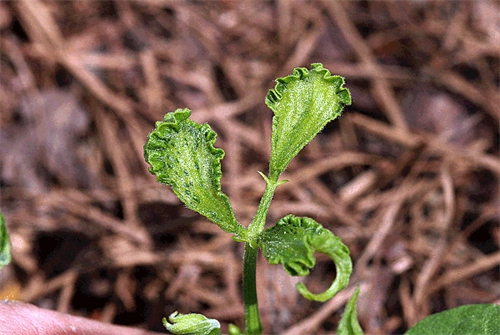
When plants become witnesses to environmental risk, how should we reinterpret their “illness”?
They are not just being harmed — They are absorbing, documenting, and concentrating the risks in our environment.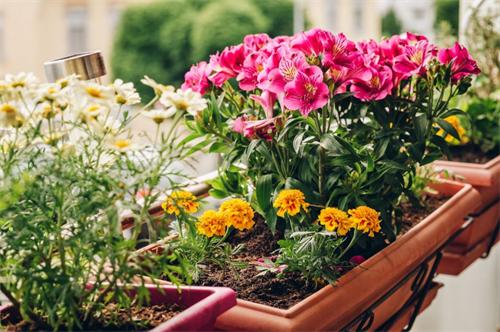
What Our Eyes See as ‘Bright’ Isn’t What Plants Actually Perceive
The Overlooked Issue of Light Stability in Balcony Gardening
Solid Wood, Engineered Boards, or Bamboo — What Actually Changes After Five Years of Living With Them
A Long-Term Look at Aging, Maintenance, Repairs, and Real-Life Use — Not a Material Ranking Guide